
The Ultimate FIFA World Cup 2026 Fan Guide: Logistics, Lifestyle, and Insider Tips for North America

FIFA World Cup 2026 fan guide
The FIFA World Cup 2026 fun guide is unlike anything the sport has produced before. For the first time, 48 national teams are competing across 104 matches, played in 16 host cities spread across three countries — the United States, Mexico, and Canada. Running from June 11 to July 19, the tournament has already rewritten the record books: a single Group E match between Ecuador and Germany at MetLife Stadium pushed cumulative World Cup attendance past 3.6 million, surpassing the 32-year-old record set by USA 1994.
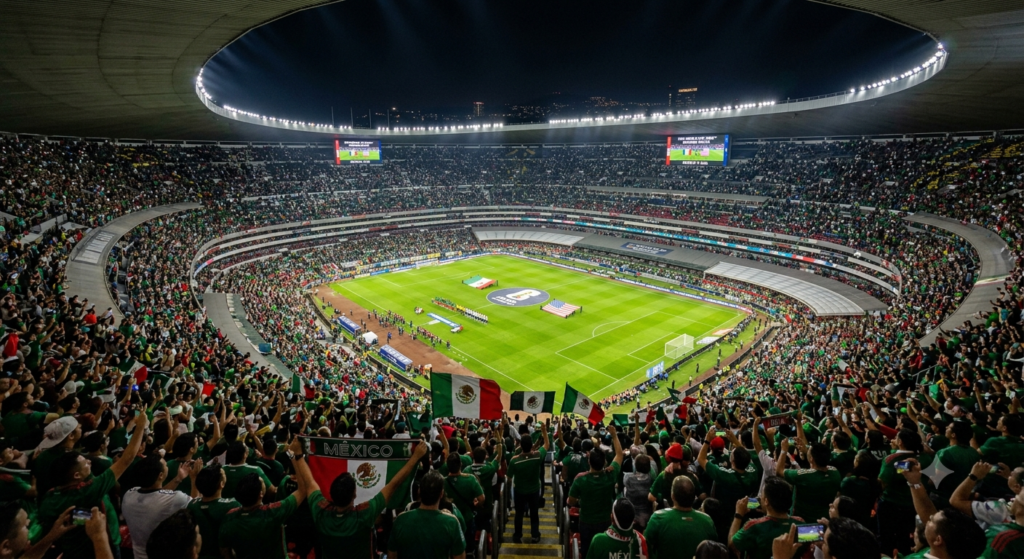
The opening match kicked off in Mexico City, at the stadium long known to fans as Estadio Azteca, with Mexico facing South Africa. Five weeks later, the tournament will close at MetLife Stadium in East Rutherford, New Jersey — officially rebranded “New York New Jersey Stadium” for the tournament — where the final whistle on July 19 will crown the 23rd World Cup champion. Between those two bookends sits the most geographically sprawling, culturally layered World Cup in history, and navigating it well takes more planning than any tournament before it.
This guide walks through everything a traveling fan needs to know: borders, transit, money, connectivity, culture, and the small details that separate a smooth trip from a stressful one.
II. Essential Logistics: Crossing Borders Without the Stress
Do I need a visa for the World Cup 2026?
There is no special “World Cup visa.” Fans must qualify for entry into each host country under that country’s existing immigration rules, and a ticket to a match does not change that requirement.
United States. Visa-waiver-eligible travelers apply through ESTA; everyone else needs a standard B1/B2 visitor visa. Given the volume of applicants, the State Department introduced FIFA PASS, a system that lets ticket-holders request priority visa interview appointments at U.S. embassies and consulates. It does not guarantee approval, but it does shorten the wait for an appointment slot, which has been the biggest bottleneck for international fans.
Canada. Visa-exempt nationals can travel on an Electronic Travel Authorization (eTA), a quick online process. Travelers from countries without visa-exempt status still need a Temporary Resident Visa (visitor visa), which should be applied for well in advance of matchdays in Toronto or Vancouver.
Mexico. Mexico offers a notable shortcut: travelers who already hold a valid visa from the United States, the United Kingdom, or a Schengen-area country are generally exempt from needing a separate Mexican visa. This single rule has made Mexico’s host cities — Mexico City, Guadalajara, and Monterrey — far more accessible for fans already holding U.S. or European travel documents.
Pro tip: Because all three countries are processing tournament-level volumes of travelers, avoid scheduling land border crossings on matchdays. Immigration queues at major crossings (San Diego–Tijuana, Detroit–Windsor, Buffalo–Fort Erie) lengthen significantly when match traffic overlaps with regular cross-border commuting.
III. Optimized Travel: Navigating 16 Cities Across a Continent
With matches spread from Vancouver to Miami and Mexico City to Toronto, trying to follow a team city-by-city without a plan is a fast way to burn a vacation on airports. The smarter approach is regional clustering.
Build routes by region, not by match
Group host cities into travel zones and base yourself in one for several days at a time:
- West Coast: Los Angeles, San Francisco Bay Area, Seattle, Vancouver
- Central: Kansas City, Dallas, Houston, Monterrey, Mexico City, Guadalajara
- Northeast: New York/New Jersey, Boston, Philadelphia, Toronto
- Southeast: Atlanta, Miami
Hopping between regions mid-tournament eats days in transit; staying within one region and using short regional flights, trains, or buses between matches preserves both time and budget.
Transport comparison
| Mode | Best For | Pros | Cons |
|---|---|---|---|
| Flights | Cross-region travel (e.g., Seattle to Miami) | Fast, frequent tournament-season schedules | Price surges near matchdays |
| Trains | Northeast Corridor (NY, Philadelphia, Boston, DC-area) | Reliable, city-center to city-center, no security lines | Limited outside the Northeast |
| Buses | Cross-border hops (e.g., Mexico City–Monterrey, Toronto–Buffalo) | Cheapest option, frequent departures | Longest travel times, border stops |
Matchday transit perks worth knowing
Several host cities are rolling out dedicated matchday transit programs that double as money-savers:
- Miami is running a Game Day Express shuttle service direct to the stadium, cutting down on rideshare surge pricing.
- Seattle has built World Cup access into its existing ORCA transit pass system, making stadium-bound transit a flat, predictable cost.
- Kansas City launched ConnectKC26, a matchday transit initiative designed specifically to move fans between downtown and the stadium without needing a car.
Checking each host city’s official transit authority site before you arrive can save real money over a multi-match trip.
IV. The Digital & Financial Fan Experience
Cashless stadiums are the default
Most major U.S. and Canadian venues — including MetLife (New York New Jersey Stadium), SoFi (Los Angeles Stadium), and BMO Field in Toronto — operate as fully cashless venues. Concessions, merchandise, and even some parking are processed exclusively via Visa or Mastercard cards or mobile wallets like Apple Pay and Google Pay. International fans should confirm their cards work for contactless payment abroad and carry a backup card in case one is declined.
Connectivity across three countries
Roaming across the U.S., Canada, and Mexico on a single home-country SIM can be expensive and inconsistent. An eSIM with a regional North America data plan, set up before departure, is the simplest way to stay connected for navigation, ticket QR codes, and translation apps without juggling physical SIM cards at every border.
Accessibility commitments
Host venues have built out accessibility features beyond standard ramps and seating, including audio descriptive commentary for blind and low-vision fans and haptic boards that let fans feel the rhythm of match action through vibration. Fans with accessibility needs should check each stadium’s official accessibility page in advance, since specific features vary by venue.
V. Beyond the Pitch: Fashion, Culture, and Fan Festivals
The most fashionable World Cup yet
This tournament has drawn unusual attention from the fashion world. Spain’s kit collaboration with Loewe, France’s with Jacquemus, and Mexico’s with Willy Chavarria have pushed national team apparel from sportswear into runway-adjacent territory, with each design pulling on national cultural references rather than generic templates. It’s a notable shift for a sport whose kits have historically stayed close to brand-standard templates.
FIFA Fan Festivals: the ticketless alternative
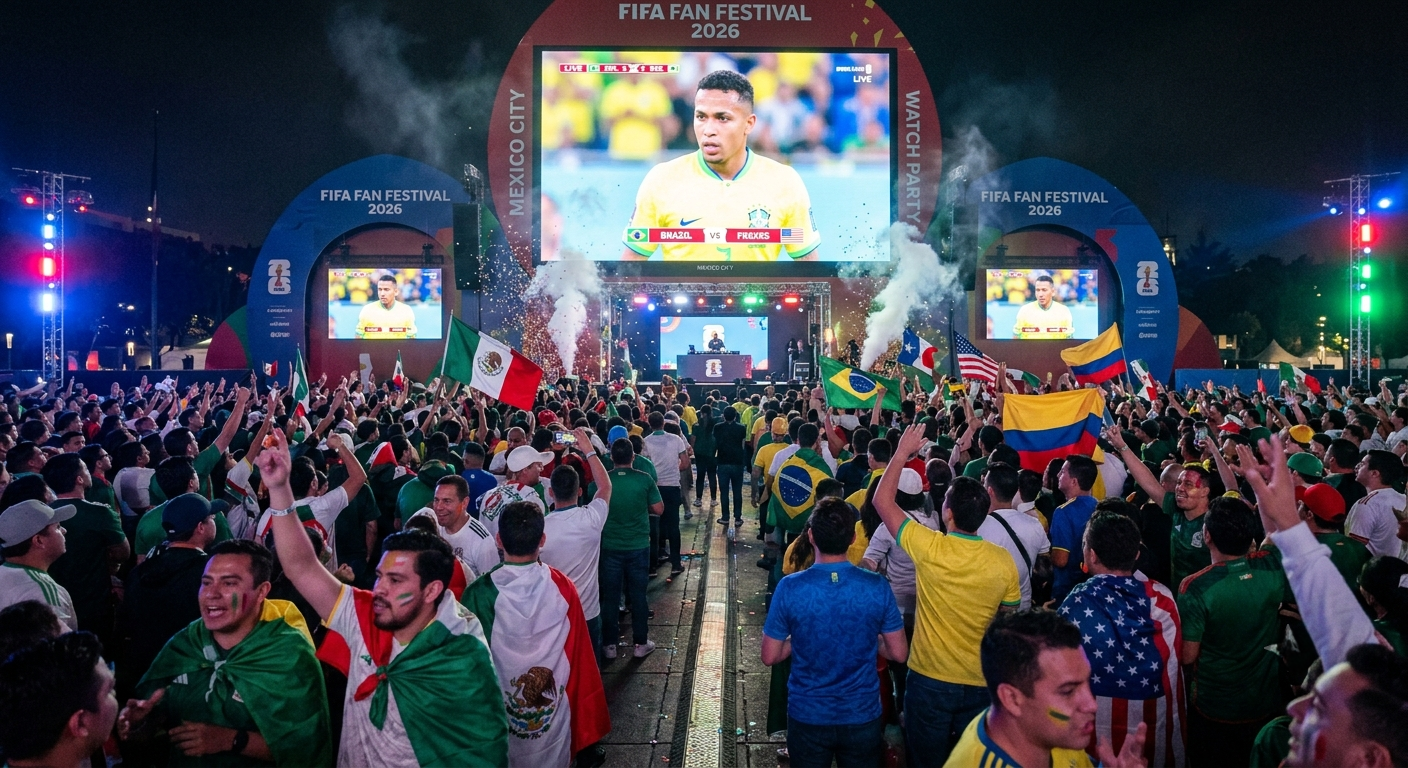
Not everyone has a match ticket, and that’s by design not a dealbreaker. FIFA Fan Festivals in host cities offer big-screen match viewing, live entertainment, food, and a genuine tournament atmosphere without needing stadium access. These festivals have already drawn more than 2 million visitors combined, making them one of the most underrated parts of the World Cup experience — often with shorter lines and a more relaxed vibe than the stadium itself.
Quick landmark guide
Pair match days with a city’s signature sights:
- Miami: the Freedom Tower, a short ride from Hard Rock Stadium
- Toronto: the CN Tower, walkable from BMO Field
- Mexico City: the historic center around the Zócalo, near Estadio Azteca
- Los Angeles: the Hollywood Sign and Santa Monica Pier, both reachable from SoFi Stadium
VI. Insider Hospitality & Etiquette (The “Local” Edge)
Arrive early — the global clock is real
Security lines, bag checks, and stadium crowd flow mean fans should plan to arrive 90 minutes to 2 hours before kickoff, especially for marquee matches. Arriving “just in time” at a 70,000+ capacity venue almost always means missing kickoff.
Dining customs for international visitors
A few U.S. norms catch international fans off guard. Tipping at sit-down restaurants typically runs 15–25% of the pre-tax bill, and it’s expected rather than optional. Ice in water is also a near-universal default — if you prefer it without, ask specifically for “no ice.”
The “late-night shift”
Fans from Spain and Argentina, used to dinners starting at 9 or 10 p.m., will find some host-city restaurants adjusting their hours and kitchen close times to accommodate the influx of late-dining international visitors — particularly in neighborhoods near fan festivals and stadiums.
VII. Historical Milestones & Predictions
This tournament has already produced records that will be referenced for decades. Lionel Messi became the oldest player to score a World Cup hat trick and went on to overtake Germany’s Miroslav Klose as the competition’s all-time top goal scorer. Cristiano Ronaldo, meanwhile, became the first player to score in six different World Cups — a record many assumed would never be touched.
The tournament also delivered a quieter but historically significant milestone: the 1,000th match in FIFA World Cup history, played between Japan and Tunisia, with Monterrey, Mexico hosting the fixture — a fitting nod to Mexico’s status as the only country to host the World Cup three times.
VIII. Conclusion & Final Matchday Checklist
Whatever city, whatever match, a few essentials make the difference between a smooth matchday and a stressful one. Before heading to the stadium:
- Match ticket — keep an offline/downloaded copy, not just a link
- Photo ID — required at most stadium entry points alongside your ticket
- Portable charger — phones drain fast running tickets, maps, and translation apps
- An accepted payment card — Visa or Mastercard, since most venues are cashless
- Weather-appropriate clothing — host cities span desert heat, coastal humidity, and mountain evenings, often within the same week of travel
The 2026 World Cup is the biggest version of this tournament the sport has ever staged, spread across more cities, countries, and time zones than any before it. A little logistics planning up front — visas sorted, regions clustered, cards loaded, eSIM activated — frees up the only thing that actually matters once you’re in the stadium: watching the match.
Frequently Asked Questions
Do I need a visa for the 2026 World Cup? There is no dedicated World Cup visa. Entry requirements follow each host country’s existing rules: ESTA or B1/B2 for the U.S., eTA or a visitor visa for Canada, and standard Mexican entry rules (with an exemption for valid U.S., UK, or Schengen visa holders) for Mexico.
Can I pay with cash at World Cup stadiums? No. Most major U.S. and Canadian venues, including MetLife Stadium and BMO Field, are fully cashless. Bring a Visa or Mastercard, or a mobile wallet.
How early should I arrive at the stadium? Plan to arrive 90 minutes to 2 hours before kickoff to allow for security screening and crowd flow at large venues.
What if I don’t have match tickets? FIFA Fan Festivals in every host city offer free big-screen viewing, entertainment, and food, and have already drawn more than 2 million visitors combined.
What’s the best way to stay connected across three countries? A regional North America eSIM data plan avoids the cost and hassle of roaming or swapping physical SIM cards at each border.
Links
https://www.state.gov/fifa-world-cup-26-visas-pass-faq
https://www.state.gov/fifa-world-cup-26-visas https://www.fifa.com/en/tournaments/mens/worldcup/canadamexicousa2026/articles/travel-visas-fifa-pass
https://www.cbp.gov/travel/cbp-welcomes-you-fifa-world-cup-2026
https://embamex.sre.gob.mx/eua/index.php/en/2016-04-09-20-40-51/tourism/1601-3-know-before-you-go